GIA GEMOLOGIST ARTICLE

Tanzanite Buying Guide: Value, Color, Quality & Price (2026)

Everything you need to know about tanzanite: color grades, price per carat, heat treatment, how to spot imitations, history, trichroism and what to check before you buy. Written by GIA gemologists

Antony Zagoritis

GIA Graduate Gemologist
ICA Ambassador to Kenya

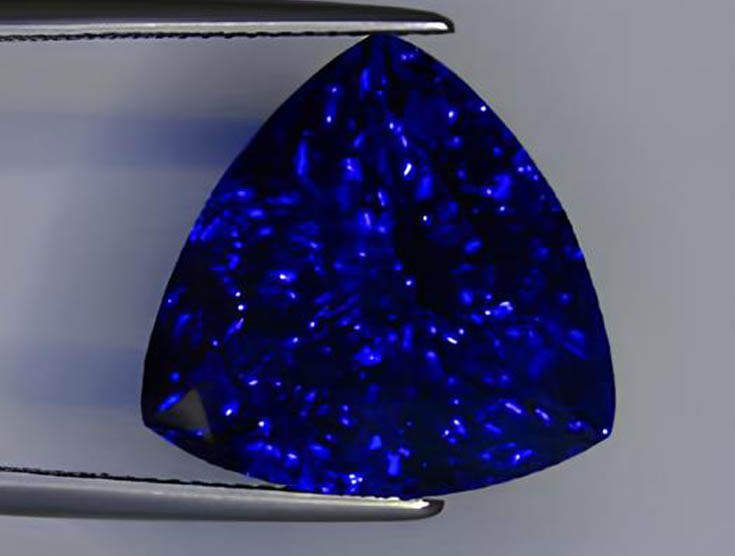
Tanzanite is the blue-to-violet variety of the mineral zoisite, found in only one place on Earth: a small area near Merelani in northern Tanzania. Discovered in 1967, it is prized for its saturated color and the blue, violet and red flashes it shows from different angles. Written by GIA-trained gemologists who have bought rough tanzanite at the source for over twenty years, this guide covers quality, price, treatments and how to buy with confidence.

Rarity

Why Tanzanite Is So Rare

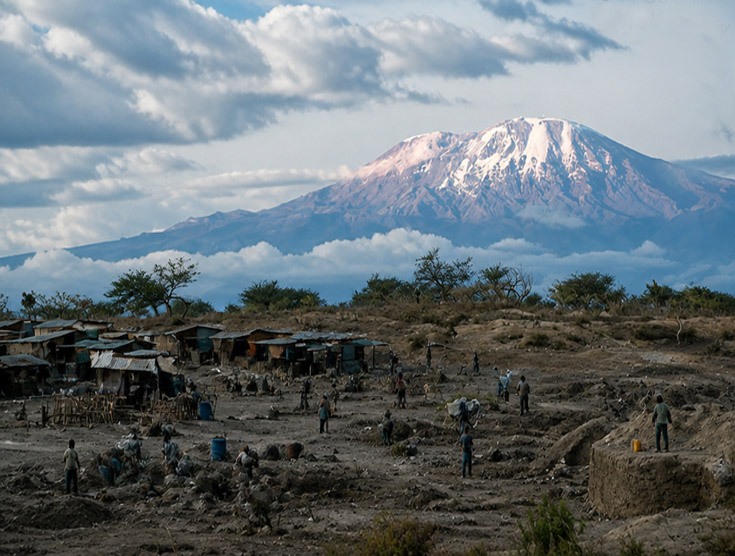
The Merelani Hills tanzanite mines below Mount Kilimanjaro
Truly rare

Found in Only One Place on Earth

Every tanzanite ever sold came from a single area in northern Tanzania. It has been found nowhere else, despite decades of exploration around the world.

Gem dealers often quote tanzanite as around 1,000 times rarer than diamond. The figure is a trade estimate rather than a measured statistic, but the direction is not in doubt.
One known source

A Strip Only 7 km Long

The entire deposit is a strip about 7 km long and 1 km wide at the foot of Mount Kilimanjaro.

Diamonds are mined in dozens of countries on several continents. Tanzanite comes from one small corner of one country.

Tanzanite running out: a limited supply of tanzanite from the Merelani mines
Limited supply

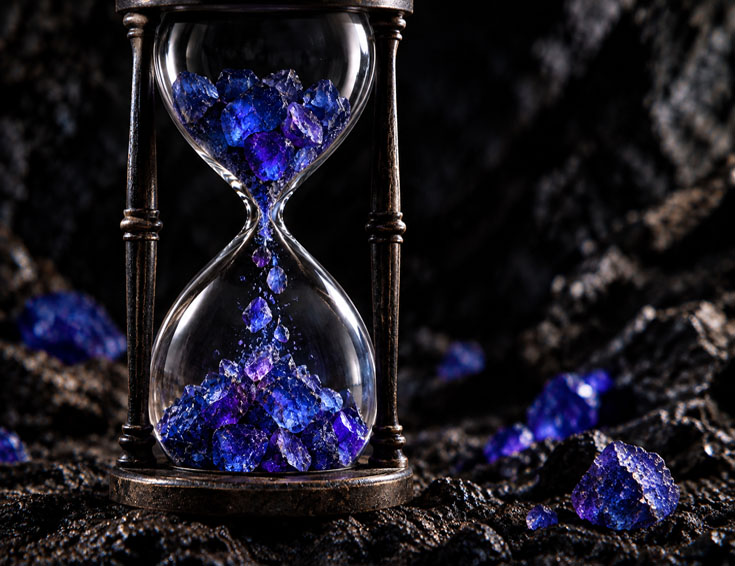
Once It’s Gone, It’s Gone

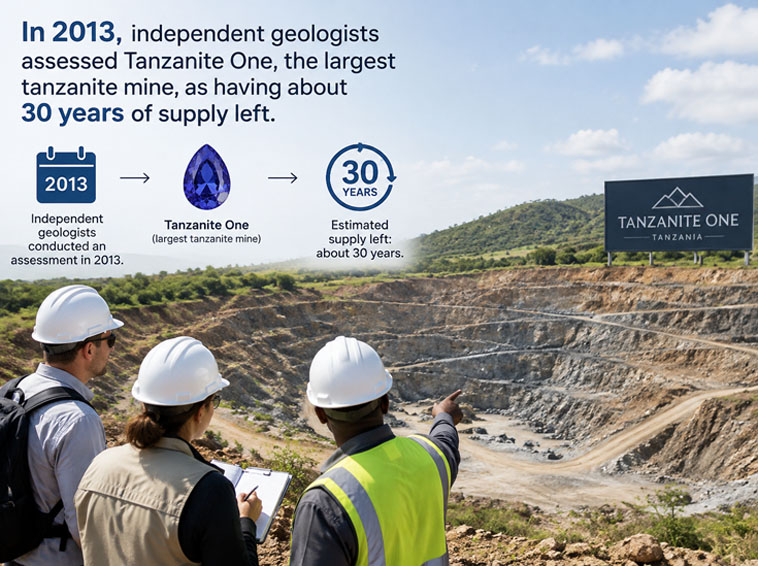
In 2013 independent geologists estimated that the largest mine, Tanzanite One, had about 30 years of supply left. The smaller mines have never been measured.

Many in the trade expect the main deposits to decline significantly within a generation, and no comparable deposit has been found. Estimates vary.

Raw tanzanite crystals in rock
Born from a miracle

A Rare Geological Accident

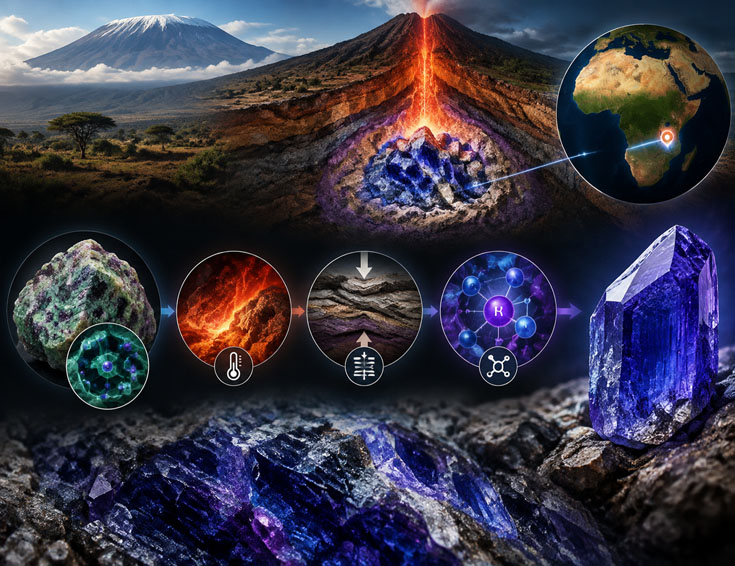
Tanzanite is the blue variety of zoisite. Its color comes from traces of vanadium, set in a combination of heat, pressure and chemistry that formed in this one place hundreds of millions of years ago.

That mix of conditions has not been found anywhere else, which is why geologists consider a second tanzanite deposit very unlikely.

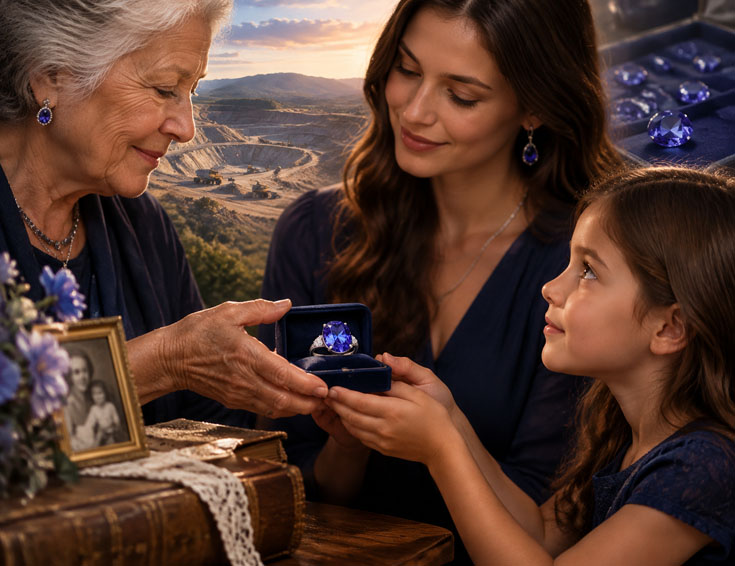
Tanzanite jewelry passed down from one generation to the next
Own it while you can

A One Generation Gem

Tanzanite is often called a “one generation gemstone”. If the deposit is exhausted as many in the trade expect, the only tanzanite left will be stones that have already been mined, cut and set.

For the next generation, owning tanzanite may mean one thing: inheriting it. A fine stone bought today could become a family heirloom that cannot be replaced.

Mineral
Zoisite (epidote group)
Color
Blue to violet, with red flashes
Mohs hardness
6.5 to 7
Refractive index
1.685 to 1.707
Only source
Merelani Hills, Tanzania
Birthstone
December
Treatment
Nearly all heat treated
Typical price
~$100 to $1,500+ per carat
01

What Is Tanzanite?

Tanzanite is the gem-quality blue variety of zoisite. It was named by Tiffany & Co., which held exclusive marketing rights in its first years, after the only country where it has ever been found.

Every known deposit lies in a small area at Merelani, near the trading town of Arusha. Because supply is limited and demand keeps growing, tanzanite is often called a “one generation gemstone”, and many in the trade expect the main deposits to decline significantly within a few decades. Estimates vary.

Shop Tanzanite
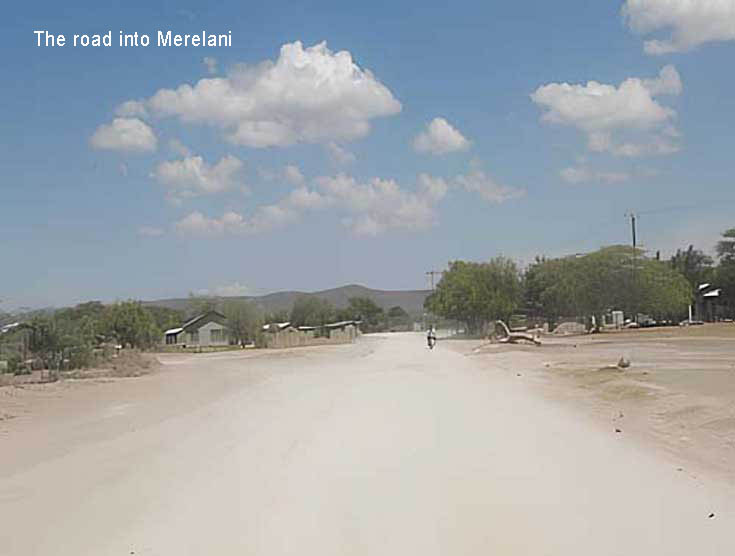
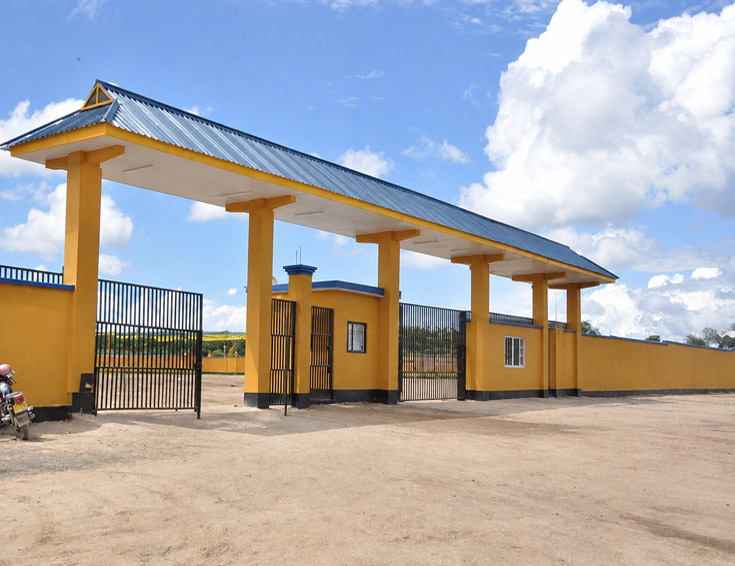
The road entering Merelani Tanzanite town
02

Judging Color: Saturation and the Blue Axis

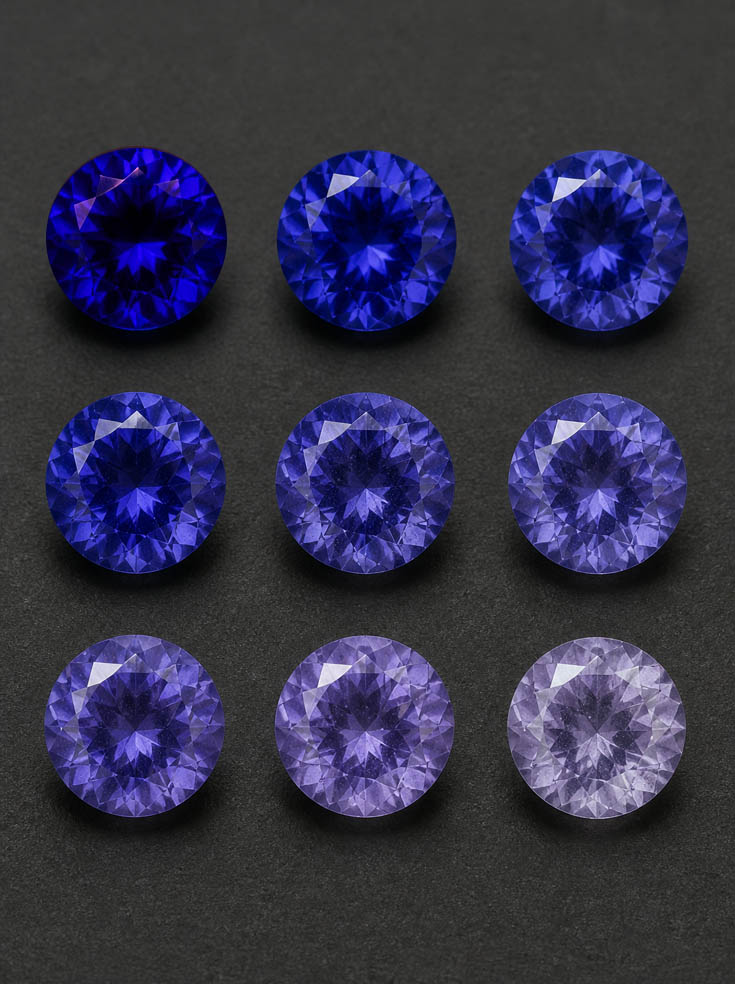
Color is the most important quality factor, and the hardest to judge online. Two things decide it: how saturated the color is, and how close the hue sits to the blue axis.

Saturation is how vivid and intense the color is. A highly saturated tanzanite looks rich and clean, with no gray or brown muting it. As saturation declines, so do rarity and value: pale, washed-out or grayish stones sit at the bottom of the range, and deeply saturated stones at the top.

The blue axis is where the hue falls between blue and violet. The market generally prizes stones whose hue sits closest to a pure, deep blue, with violet as a secondary undertone. As the hue drifts toward purple or lavender, value falls, even when the color is strong. The finest tanzanite combines both: vivid saturation and a hue on the blue axis.

How color affects value Color grading systems compared

Tanzanite color saturations in descending qualities
03

Trichroism and Red Flash

Tanzanite is trichroic, showing blue, violet and, in the strongest stones, a flash of burgundy or red depending on viewing direction. It is also sensitive to light: the same stone can look more violet under yellowish indoor light than in daylight. Gemologists grade under North Daylight Equivalent light (around 5,500 kelvin), so always ask for daylight photos and video.

The red flash explained

Tanzanite under incandescent light, showing a red flash Tanzanite in daylight, deep blue Daylight Incandescent
04

Judging Quality: Clarity

Tanzanite is judged on the 4 C’s: color, clarity, cut and carat weight, in roughly that order of importance. GIA classes tanzanite as a Type I gemstone, so fine stones are expected to be eye-clean. Top grade needs to be flawless or very nearly so to the naked eye.

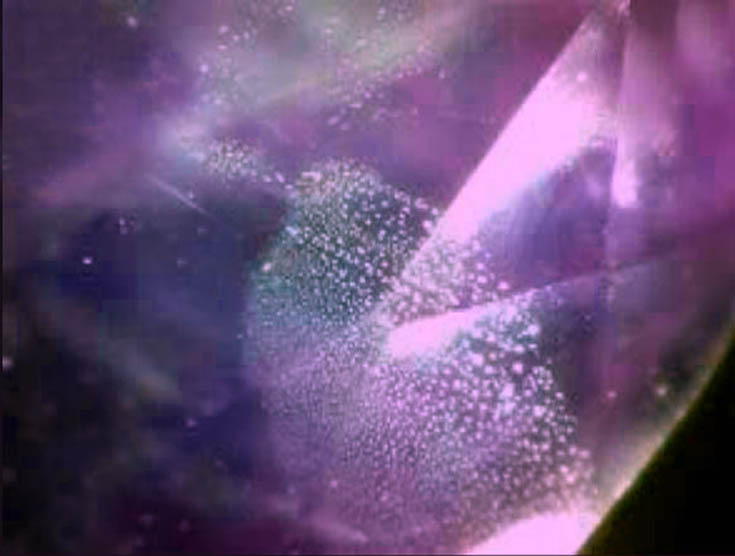
How to judge clarity in tanzanite

Low clarity in tanzanite showing a fingerprint or veil inclusion
05

Judging Quality: Cut

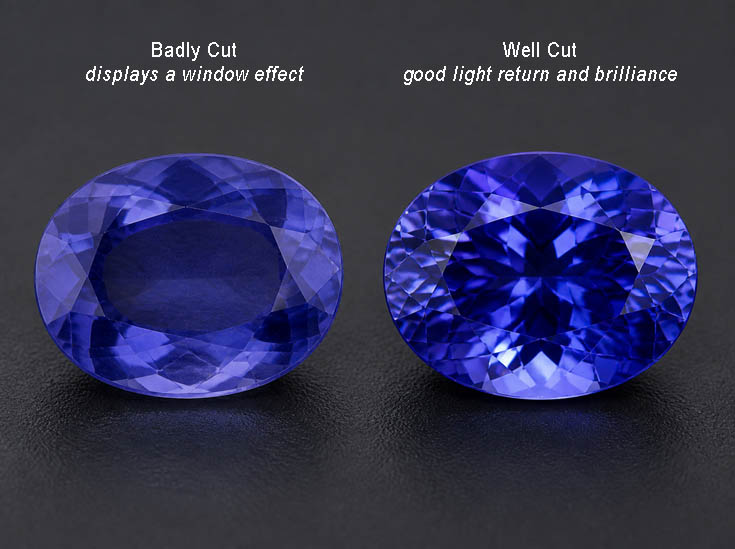
Shape has little effect on value, but cut quality matters a great deal. High-volume cutting houses often use weight-saving techniques that can add up to 30% to a finished stone’s weight, so the real cost of useful stone can be far higher than it appears. A bulged pavilion carries extra weight at the back; a cut that is too shallow shows a “window” that hurts beauty and value.

Why tanzanite cut matters

Example of fine tanzanite cutting versus bad cutting showing a window
06

Judging Quality: Carat Weight

A carat is one fifth of a gram. Within a quality bracket, larger stones are rarer, but weight matters mostly within a bracket: a 3 carat fine, investment-grade stone is rarer and more valuable than a 10 carat B-grade stone with inclusions.

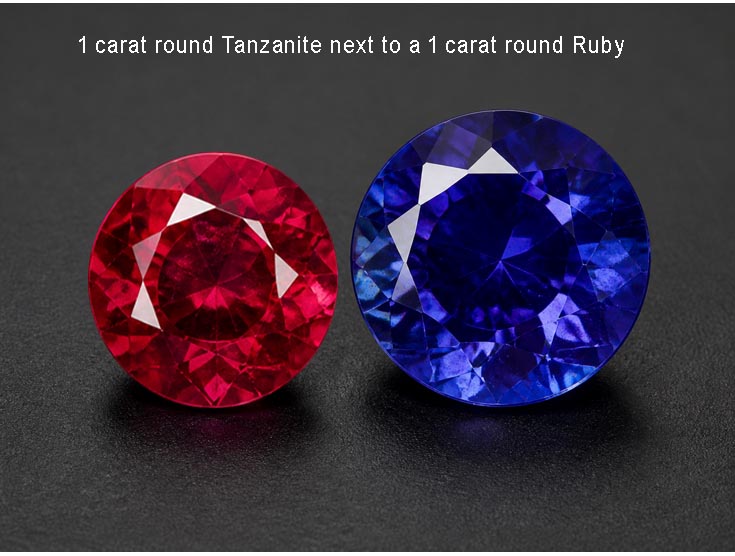
Carat weight also does not tell you how big a stone looks, because gems differ in density. A 1 carat tanzanite is not the same size as a 1 carat diamond or ruby, so judge size by face-up dimensions in millimeters.

One carat tanzanite next to one carat ruby showing how density affects physical size
07

Is Tanzanite Heated?

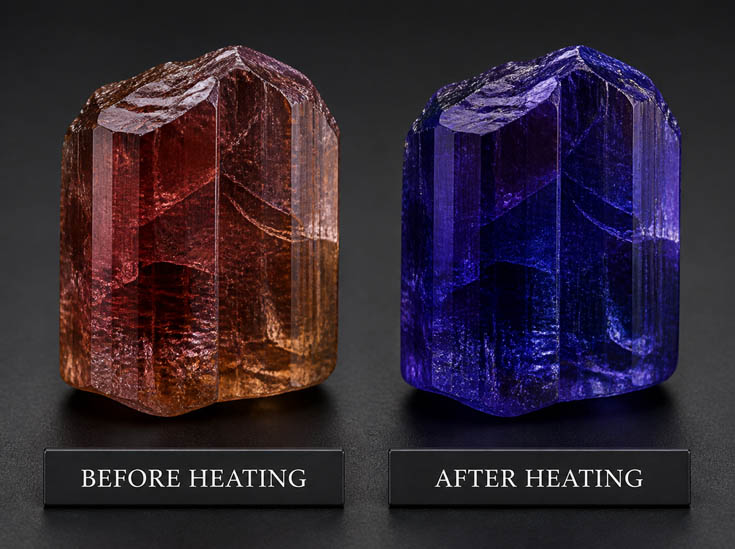
Yes. Nearly all tanzanite on the market is heat treated, an accepted, permanent and stable trade practice. Brownish crystals from the mine are heated to roughly 500 to 600°C to reveal the blue-violet color. Unlike sapphire, where heating improves lower grades, with tanzanite it is how the color is revealed at all.

Ask any seller to confirm heating and any other treatment, such as coating or diffusion, in writing.

Tanzanite heating: the facts

Tanzanite crystal before and after heating
08

How Much Is Tanzanite Worth?

Prices run from around $100 per carat for commercial grades to $1,500 per carat and more for the finest investment-grade stones of 3 carats and above. Color drives price most, then clarity, cut and size.

Tanzanite is rarer than diamond but far cheaper per carat: a fine 5 carat diamond can exceed $95,000 per carat, while a very fine 5 carat tanzanite is roughly $780 to $1,380 per carat. Blue sapphire is much harder (9 on the Mohs scale) but costs far more in comparable sizes; amethyst lacks tanzanite’s blue and flash; iolite is typically paler and grayer.

See the 2026 Price Table
Price per carat at a glance
Tanzanite range
$100Commercial grade $1,500+Investment grade, 3 ct and up
Fine 5 carat stones, drawn to scale
Diamond $95,000+
Tanzanite $780 to $1,380

Browse Gemologist-Selected Tanzanites

Every stone hand-selected by our GIA gemologists, with free worldwide shipping and a 100% money-back guarantee.

Shop Loose Tanzanite
09

Real vs Imitation Tanzanite

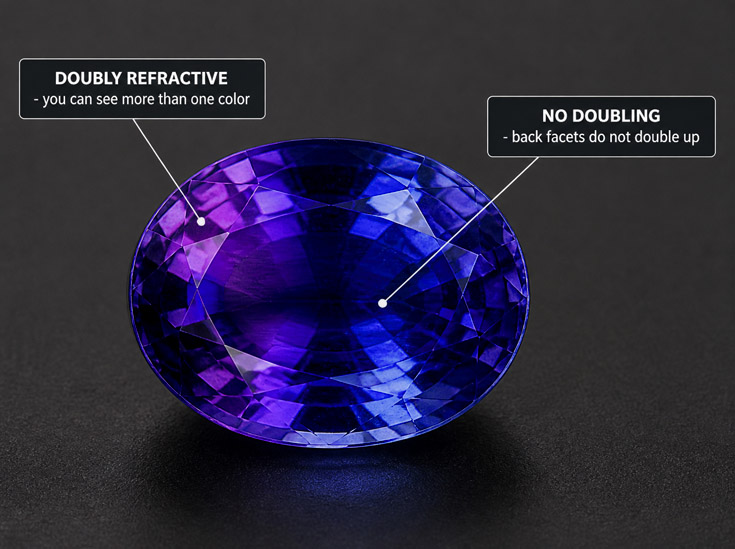
Many products sold as “lab-created tanzanite” are glass, cubic zirconia or other synthetics, not zoisite. Genuine tanzanite is a natural mineral that has been heated, not manufactured. There is also a Synthetic Forsterite on the market sold as "Tanzanique".

Some tips:

Pleochroic flash: real stones show distinct blue and violet from different angles; imitations are usually one even color. Price: a large saturated stone sold very cheaply is a warning sign. Seller: look for gemologist-qualified sellers with independent reviews. Doubling: Synthetic Forsterite will display doubling of the back facets. Filter: you can buy an inexpensive filter called a Hanneman filter which will immediately separate natural from fakes.

Tanzanite synthetics and imitations

Natural tanzanite vs imitation
10

How to Buy Tanzanite: A Checklist

  1. Decide on color first. Look for deep, saturated color; it drives most of the value.
  2. Ask for daylight photos and video, and compare more than one seller.
  3. Check face-up dimensions, not just carat weight.
  4. Ask who cut the stone and check for a bulged pavilion or window.
  5. Confirm clarity is eye-clean for stones going into jewelry.
  6. Get treatment disclosure in writing, and a lab report for higher-value stones.
  7. Check the return policy and guarantee before you pay.
  8. Buying to invest? Read our tanzanite investment guide.
11

Durability and Care

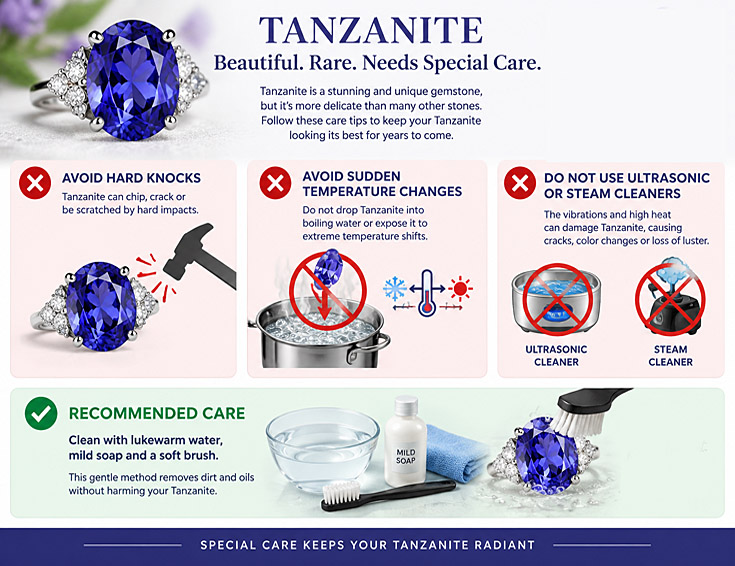
At about 6.5 on the Mohs scale, with perfect cleavage in one direction, tanzanite is more fragile than sapphire or diamond.  Avoid hard knocks, sudden temperature changes, and ultrasonic or steam cleaners. Clean with lukewarm water, mild soap and a soft brush.

How to care for your tanzanite

Tanzanite ring in a protective bezel setting
12

How and Where It Is Mined

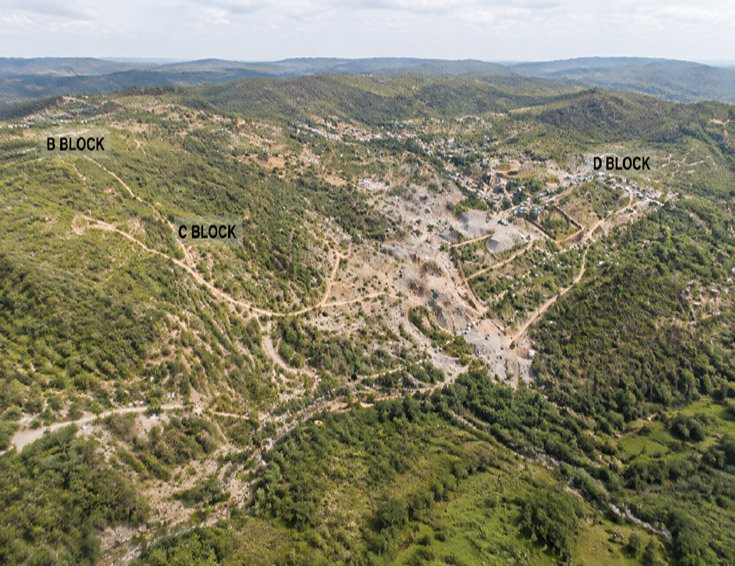
Like most colored stones, tanzanite is mostly mined by small-scale artisanal miners: families or cooperatives allocated a claim by the government. One section of the field is operated by a larger company, which has caused conflict over the years. Explore the mining area below.

Aerial drone view of the tanzanite mining area at Merelani
Merelani

The Whole Mining Area

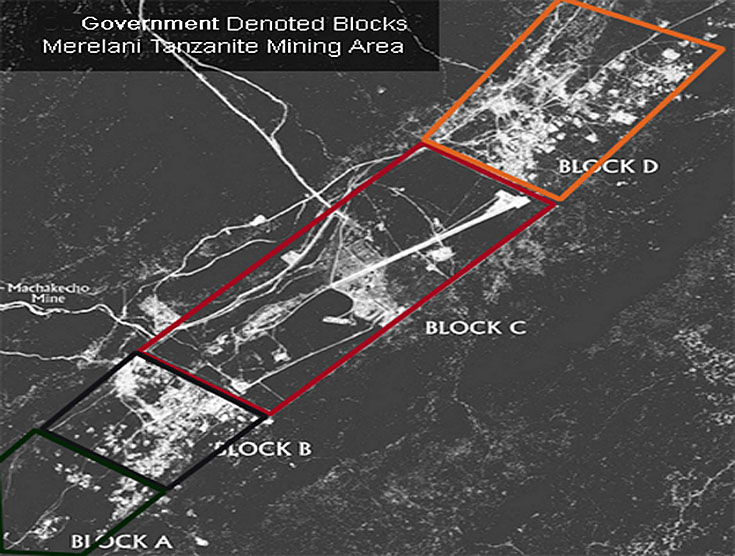
Every tanzanite comes from the Merelani Hills in the Manyara region of northern Tanzania, just south of Mount Kilimanjaro. The mining area is a narrow strip about 7 km long and 1 km wide.

In 1990 the government divided the strip into four blocks, A to D, each with its own licence holders. In 2018 a 24 km wall was built around the whole area to curb illegal mining and smuggling.

Location
Merelani Hills, Manyara region
Size
About 7 km by 1 km
Divided
1990, Blocks A to D
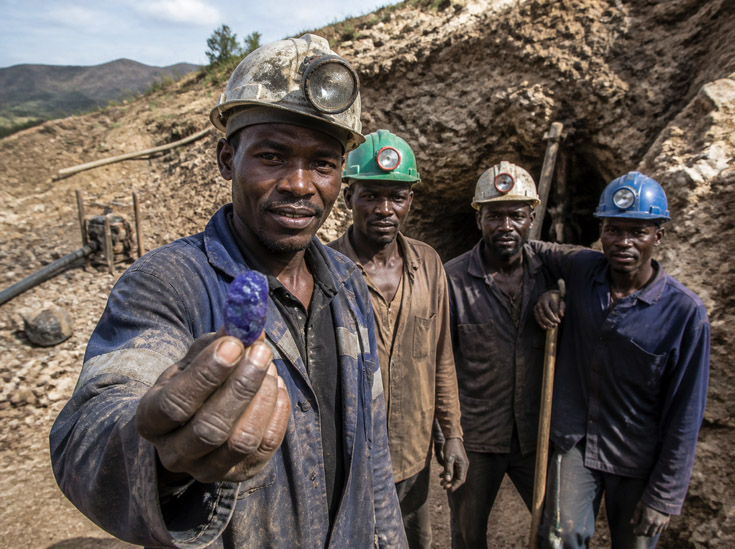
Artisanal tanzanite miners at Merelani
Block D

Small-Scale Mining

The small-scale sector works Block D, and Block B, where thousands of miners work hundreds of small claims packed tightly together. Each mine holds a Primary Mining Licence, which only Tanzanian nationals can own.

Equipment ranges from a hole worked by ladder or rope to more modern machinery. Most miners work in cooperatives that share profit equally, which means equal shares of nothing when no tanzanite turns up. The work is hard and can be dangerous, but it has been a route out of poverty for many families.

Operators
Small-scale cooperatives
Licence
Primary Mining Licence, Tanzanians only
Mines
About 700 in Blocks B and D
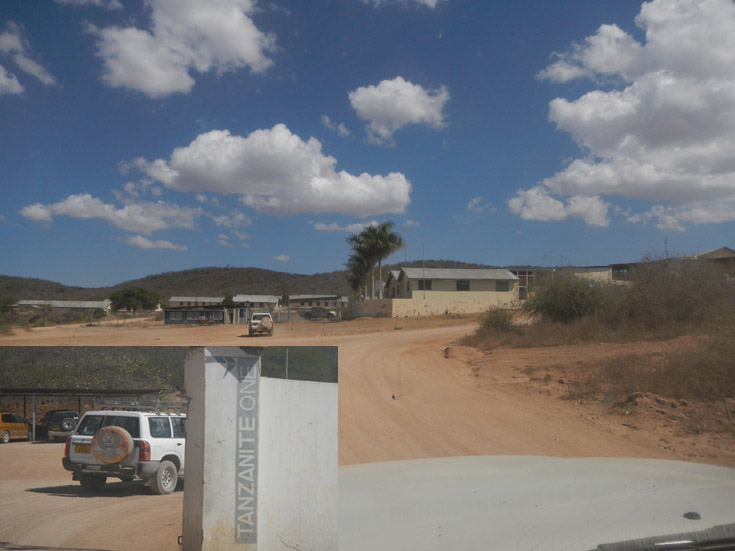
The entrance to the Tanzanite One mine in Block C at Merelani
Block C

Tanzanite One

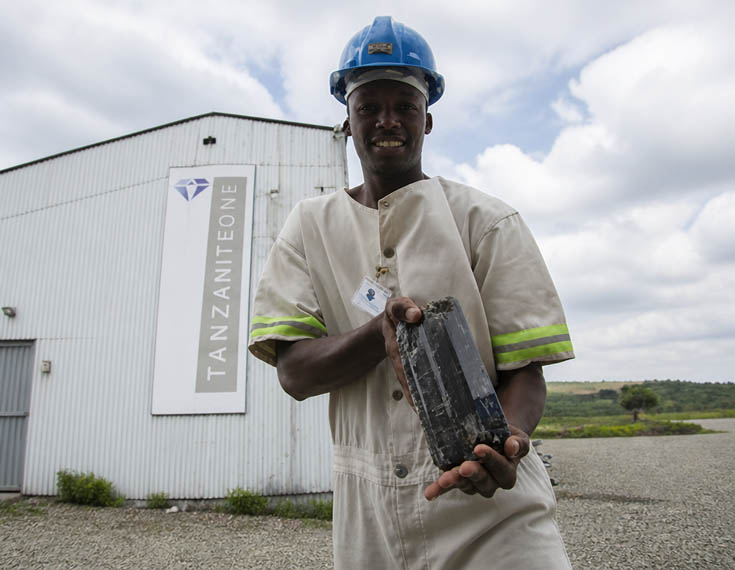
Block C is the largest of the four blocks and the home of large-scale, mechanised mining. It was first awarded to a graphite company, Graphtan, which stopped mining in 1996. The South African company AFGEM took the licence and began producing tanzanite in 2001.

In 2004 the Tanzanite One group bought AFGEM’s tanzanite business and mined the block until 2015. It brought higher working and safety standards, and a De Beers style system of cutting “sightholders”, but its mostly foreign management left many local miners distrustful.

Size
Largest of the four blocks
Method
Mechanised underground mining
Operator
Tanzanite One, 2004 to 2015
1 / 3

Small-scale vs large-scale mining: which is more ethical?

13

The History of Tanzanite

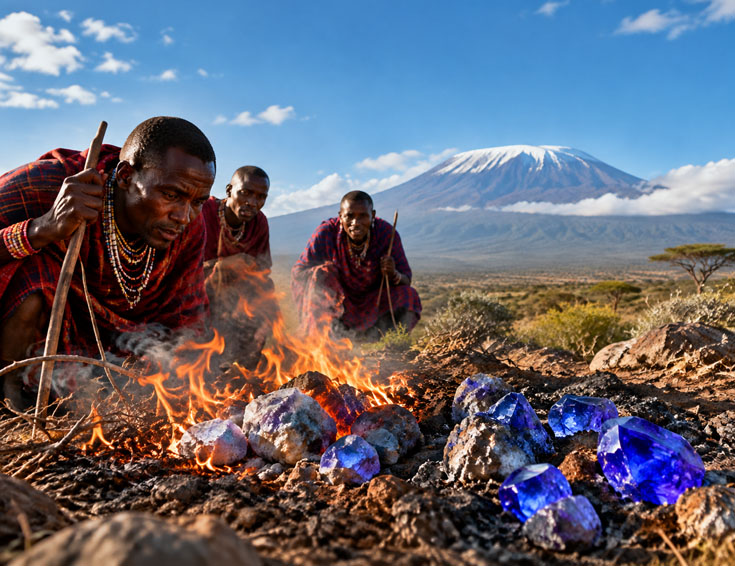
Maasai herders and the first tanzanite crystals near Mount Kilimanjaro
1967

A New Gemstone Is Discovered

Tanzanite was discovered in 1967 in the foothills of Mount Kilimanjaro by Maasai herders. Legend says a bushfire heated surface-lying crystals and turned them blue.

A trader in Arusha, Manuel de Souza, first thought they were sapphire and staked the first claim, but was puzzled by the red and pink sparkling within the blue.

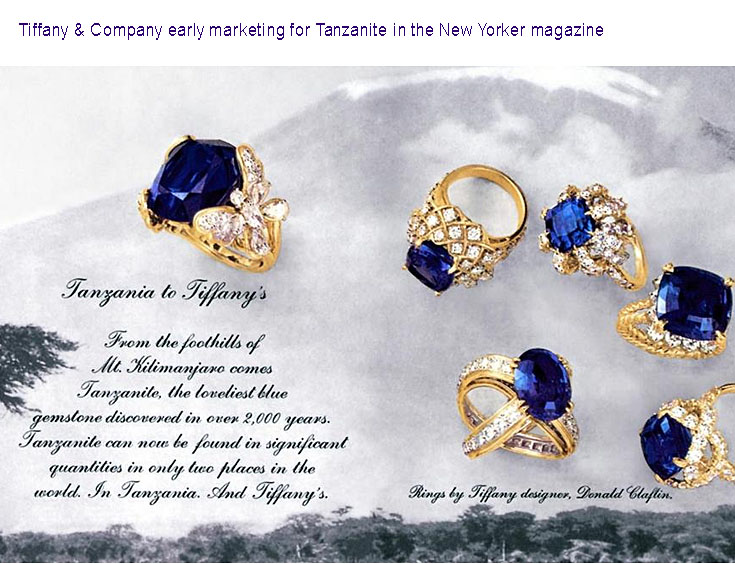
1968 Tiffany tanzanite launch publicity
1968

Named by Tiffany & Co.

The material reached Tiffany & Co. in New York, where its then-president, Henry Platt, saw its potential.

Tiffany named the gem tanzanite, after the only country where it is found, and launched it with a major campaign in 1968. It soon challenged ruby, emerald and sapphire in the US market.

Aerial view of the Merelani deposit, blocks A to D
1990

The Deposit Is Divided into Four Blocks

In 1990 the Tanzanian government divided the tanzanite deposit into four blocks, named A to D.

The whole deposit is only about 7 km long and 1 km wide, a tiny strip at the foot of Mount Kilimanjaro, which is a big part of why tanzanite is so rare.

Tanzanite jewelry as a December birthstone
2002

December’s Birthstone

In 2002 tanzanite was added to the official list of December birthstones, the first new addition since 1912.

It now sits alongside turquoise, blue topaz and zircon, giving anyone born in December another blue gem to call their own.

Record-breaking rough tanzanite crystals
2005

A Record-Breaking Crystal

The largest rough tanzanite listed in the Guinness Book of Records weighed 16,839 carats (3.38 kg). It was mined in 2005.

Most tanzanite is mined by small-scale artisanal miners, so finds of this size are rare events.

Mine workings at Merelani
2013

A Warning About Supply

In 2013 independent geologists assessed Tanzanite One, the largest tanzanite mine, as having about 30 years of supply left.

The smaller mines in the area have never been measured, so nobody knows exactly how long the whole deposit will last.

The wall around the Merelani mining area
2018

A Wall Around the Mines

In April 2018 President John Magufuli unveiled a 24 km wall around the Merelani mining area. The army built it after he ordered its construction the previous September.

The aim was to control illegal mining and trading, and to stop tanzanite being smuggled out of the country.

The two giant tanzanite stones found by Saniniu Laizer in 2020
2020

Two Giant Stones from a Small-Scale Miner

In June 2020 a small-scale miner, Saniniu Laizer, found two exceptional rough tanzanite stones at Merelani, weighing 9.27 kg and about 5.1 kg. Both are far heavier than the 3.38 kg crystal in the 2005 record. The Tanzanian government described them as the two largest tanzanite gemstones in history.

The Bank of Tanzania bought both stones for about 7.7 billion Tanzanian shillings, roughly $3.3 million. Laizer found another stone of about 6 kg in July 2020.

The finds showed that large stones can still come from the small-scale sector, which mines most of the world’s tanzanite.

Fine tanzanite, the future of a limited supply
Future

Limited Supply, Rising Demand

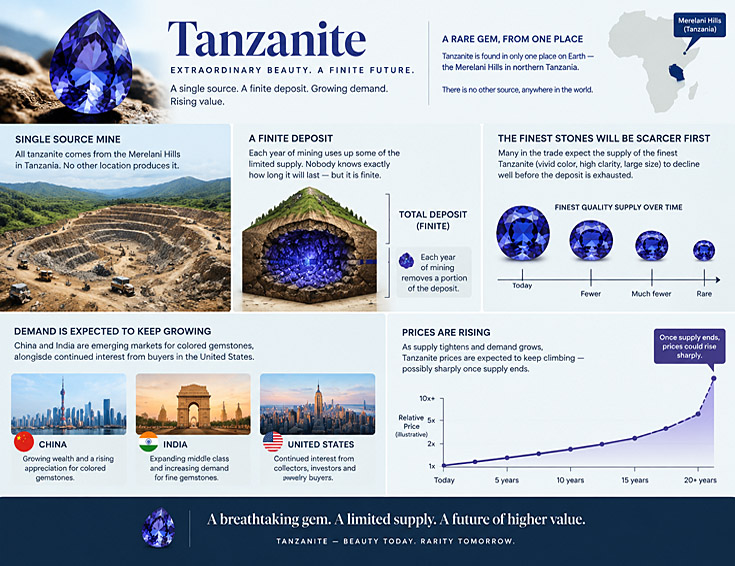
Tanzanite has a single source, and every year of mining uses up some of it. Nobody knows exactly how long the deposit will last, but it is finite. Many in the trade expect the supply of the finest stones to decline well before the deposit is exhausted.

Demand is expected to keep growing. Dealers, ourselves included, point to China and India as emerging markets for colored gemstones, alongside continued interest from buyers in the US.

For that reason we expect prices for the finest tanzanite to rise over time, and possibly sharply once supply ends. This is an expectation and not a guarantee. Tanzanite prices have fallen before, in 2001 and again in 2008 and 2009, and lower grades are more exposed to market swings than the finest stones.

Tanzanite as an investment Tanzanite prices and value

1 / 9
14

Tanzanite Jewelry and Settings

White metals show off tanzanite’s blue-violet, while yellow or rose gold adds warm contrast, and diamond accents add brilliance without competing with the center stone. Every piece in our collection is one of a kind, handmade around fine stones by our in-house designer. You can also add a stone to a setting yourself with Design Your Own, or commission a custom design.

Shop Tanzanite Jewelry
Handmade tanzanite jewelry

Tanzanite FAQs

Is tanzanite a real gemstone?

Yes. It is a natural gemstone, the blue-violet variety of zoisite. Be wary of “lab-created tanzanite”, which is usually glass or another synthetic.

Is tanzanite blue or purple?

Both. It is trichroic, showing blue, violet and sometimes red depending on viewing angle and light. The most valuable stones show a deeply saturated blue with violet undertones.

Is tanzanite rare?

Very. It has only been found in one small area of northern Tanzania.

Is tanzanite a birthstone?

Yes, it is one of the December birthstones, and is commonly given for 24th wedding anniversaries.

Is tanzanite good for an engagement ring?

It can be, with care. At about 6.5 on the Mohs scale and with a cleavage direction, it is more fragile than sapphire or diamond, so choose a protective setting.

How much is tanzanite per carat?

Roughly $100 to $1,500+ per carat depending on color, clarity, cut and size. See our current price table.

Where can I buy tanzanite?

From a gemologist-qualified seller who discloses treatments, supplies lab reports for higher-value stones and offers clear returns. Browse our loose tanzanites or tanzanite jewelry.

Find Your Tanzanite

Loose stones or finished jewelry, selected by GIA gemologists from the mouth of the mine.

Shop Tanzanites Shop Tanzanite Jewelry
ABOUT THE AUTHOR Antony Zagoritis, Bsc, GG

Antony completed his GG (Graduate Gemologist) in 1998 at the Gemological Institute of America in California after a degree a Business at the University of Bath, in England. He has extensive experience in the colored gemstone trade with over 20 years buying rough at the source. He is currently the Ambassador to Kenya for the ICA (International Colored Gemstone Association) in New York which is the worldwide body for colored gemstones.

Latest Articles

Where to Buy Genuine Tsavorite Garnet From Real Dealers (2026)

Chains rarely stock fine Tsavorite, so buy from specialists who cut their own rough and disclose origin, treatment, and inclusions

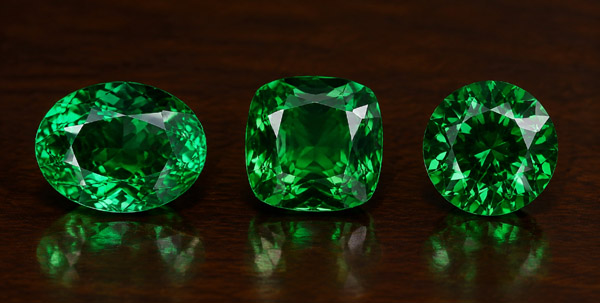
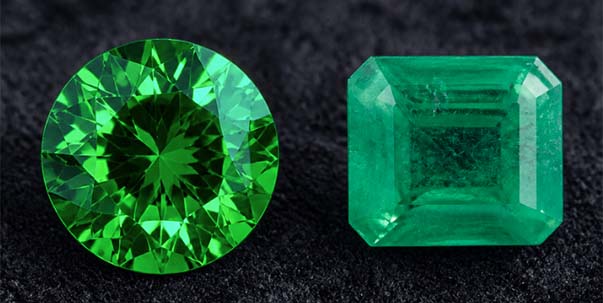
Tsavorite vs Emerald: Is One Better than the Other?

Learn the difference between Tsavorite and Emerald - color, dispersion, brilliance, hardness and more.

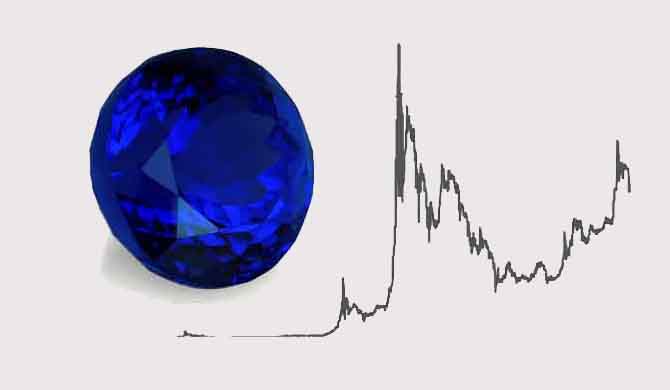
Tanzanite Prices & Value - For 2026 and A Historical Perspective

Looking to find out what the prices are in the market in 2026? Or perhaps you'd like to understand price trajectory since the 1990's? This article will bring you up to date.

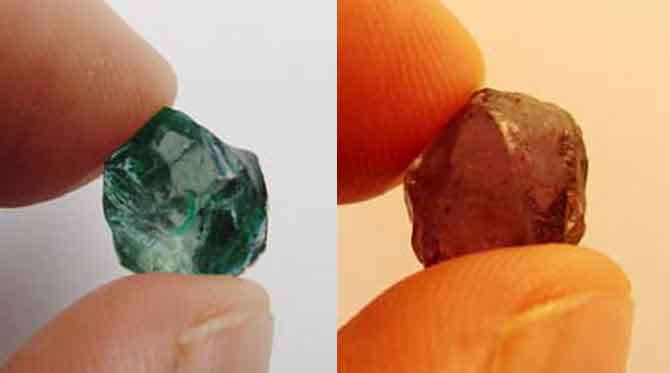
Color Change Garnet from Kenya - An Exciting New Discovery

A new discovery in the renowned Taita district of Kenya has taken the gem world by storm. We take a look at the new stone and the discovery.

We're the talk of the town